Global trade depends heavily on efficient maritime transportation, and few places in the world hold as much strategic importance as Hong Kong. Positioned at the crossroads of major Asian trade routes, a Hong Kong shipping company plays a vital role in connecting manufacturers, suppliers, and consumers across continents. With a long-standing maritime heritage, advanced infrastructure, and strong international connections, Hong Kong continues to stand as one of the most influential shipping hubs in the global economy.
Hong Kong’s geographical advantage has shaped its identity as a logistics powerhouse. Located near key manufacturing centers in mainland China and close to major Asian markets, the region allows shipping companies to operate with remarkable efficiency 香港集運公司. A Hong Kong shipping company benefits from direct access to some of the busiest trade lanes in the world, enabling faster delivery times and reduced transit costs. This advantage has made the city an essential gateway for goods moving between Asia, Europe, the Americas, and beyond.
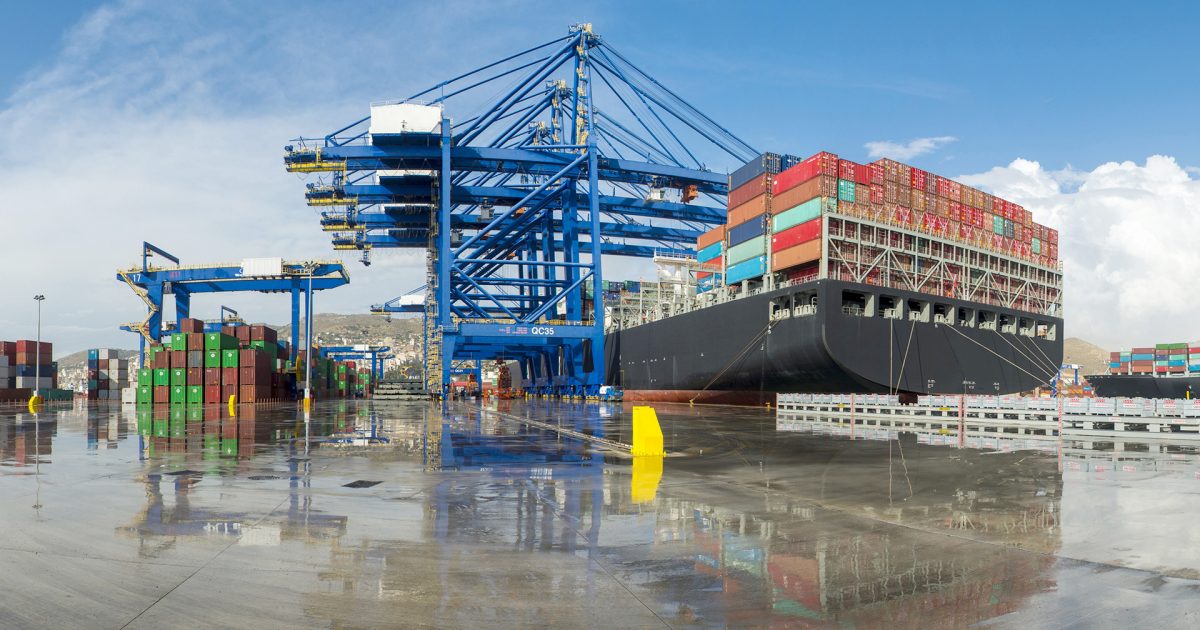
The success of shipping companies in Hong Kong is also closely linked to the region’s world-class port infrastructure. Modern container terminals, advanced cargo handling systems, and digital tracking technologies allow businesses to manage large volumes of shipments smoothly. These facilities are designed to handle everything from bulk commodities to high-value electronics, ensuring flexibility for businesses operating in diverse industries. As international trade continues to evolve, shipping companies rely on technological innovation to maintain efficiency and accuracy.
Another defining feature of a Hong Kong shipping company is its commitment to reliability and professionalism. Clients across the globe depend on consistent shipping schedules and transparent communication. To meet these expectations, companies invest heavily in logistics planning, real-time monitoring, and risk management systems. Whether transporting raw materials or finished consumer products, shipping firms must ensure that cargo arrives safely and on time, even when facing unpredictable challenges such as weather disruptions or supply chain delays.
The rise of e-commerce has further transformed the operations of shipping companies in Hong Kong. Online retail has increased demand for faster delivery and flexible shipping solutions, pushing companies to adopt smarter logistics strategies. A Hong Kong shipping company often integrates sea freight with air cargo and land transportation networks, creating seamless multimodal logistics services. This integration helps businesses meet tight delivery deadlines while maintaining cost efficiency.
Environmental responsibility has also become a major focus within the maritime industry. Modern shipping companies are under increasing pressure to reduce emissions and adopt sustainable practices. Many Hong Kong-based firms are investing in fuel-efficient vessels, cleaner energy alternatives, and optimized shipping routes to minimize environmental impact. Sustainability is no longer just a regulatory requirement; it has become a competitive advantage as customers increasingly prefer environmentally responsible logistics partners.
In addition to technological and environmental progress, regulatory stability plays an important role in strengthening Hong Kong’s shipping sector. The region operates under a well-established legal and financial framework that supports international commerce. Transparent regulations, efficient customs procedures, and strong financial services create a favorable environment for shipping businesses to thrive. A Hong Kong shipping company can operate with confidence knowing that global trade standards and commercial protections are firmly in place.
Human expertise remains another essential element behind the success of shipping companies in Hong Kong. Skilled professionals manage complex logistics operations, coordinate international documentation, and oversee cargo handling processes. From maritime engineers to logistics analysts, the workforce contributes specialized knowledge that ensures smooth operations across global supply chains. Continuous training and adaptation allow companies to keep pace with changing technologies and industry demands.
The global nature of shipping means that companies must constantly adapt to economic fluctuations and geopolitical changes. Trade policies, currency shifts, and regional developments can all influence shipping demand. A Hong Kong shipping company often demonstrates resilience by diversifying its service offerings and expanding partnerships worldwide. By maintaining strong relationships with ports, freight forwarders, and international clients, these companies remain competitive even during uncertain economic conditions.
Digital transformation is shaping the future of maritime logistics. Automation, artificial intelligence, and blockchain technology are increasingly being used to improve transparency and efficiency. Shipping documentation that once required extensive paperwork can now be processed digitally, reducing delays and administrative costs. A Hong Kong shipping company that embraces digital innovation can provide clients with accurate shipment tracking, predictive delivery timelines, and enhanced security measures.
Hong Kong’s reputation as a financial hub also supports the growth of shipping enterprises. Access to global banking services, trade financing, and insurance solutions allows companies to manage large-scale operations effectively. Maritime insurance, cargo financing, and investment opportunities help shipping businesses expand fleets and modernize equipment. This financial strength reinforces Hong Kong’s position as a reliable center for international shipping operations.
Beyond commercial benefits, shipping companies also contribute significantly to regional economic development. They create employment opportunities, support export industries, and enable small businesses to reach global markets. By facilitating trade, a Hong Kong shipping company becomes an essential link between producers and consumers worldwide. The ability to move goods efficiently strengthens supply chains and promotes economic growth across multiple sectors.
Looking ahead, the maritime industry is expected to face both opportunities and challenges. Growing trade volumes, technological innovation, and sustainability initiatives will reshape how shipping companies operate. Hong Kong’s adaptability and forward-looking approach position it well for continued leadership in global logistics. Companies that prioritize innovation, environmental responsibility, and customer-focused services will likely thrive in this evolving landscape.